
DIY Tree Pruning: What You Need to Know
jl
Understanding the Basics of Tree Pruning
Pruning is a crucial part of tree care, helping to maintain tree health, improve aesthetics, and prevent potential hazards. Before you embark on your DIY tree pruning journey, it's essential to understand the basics. Knowing when and how to prune can make a significant difference in the outcome.
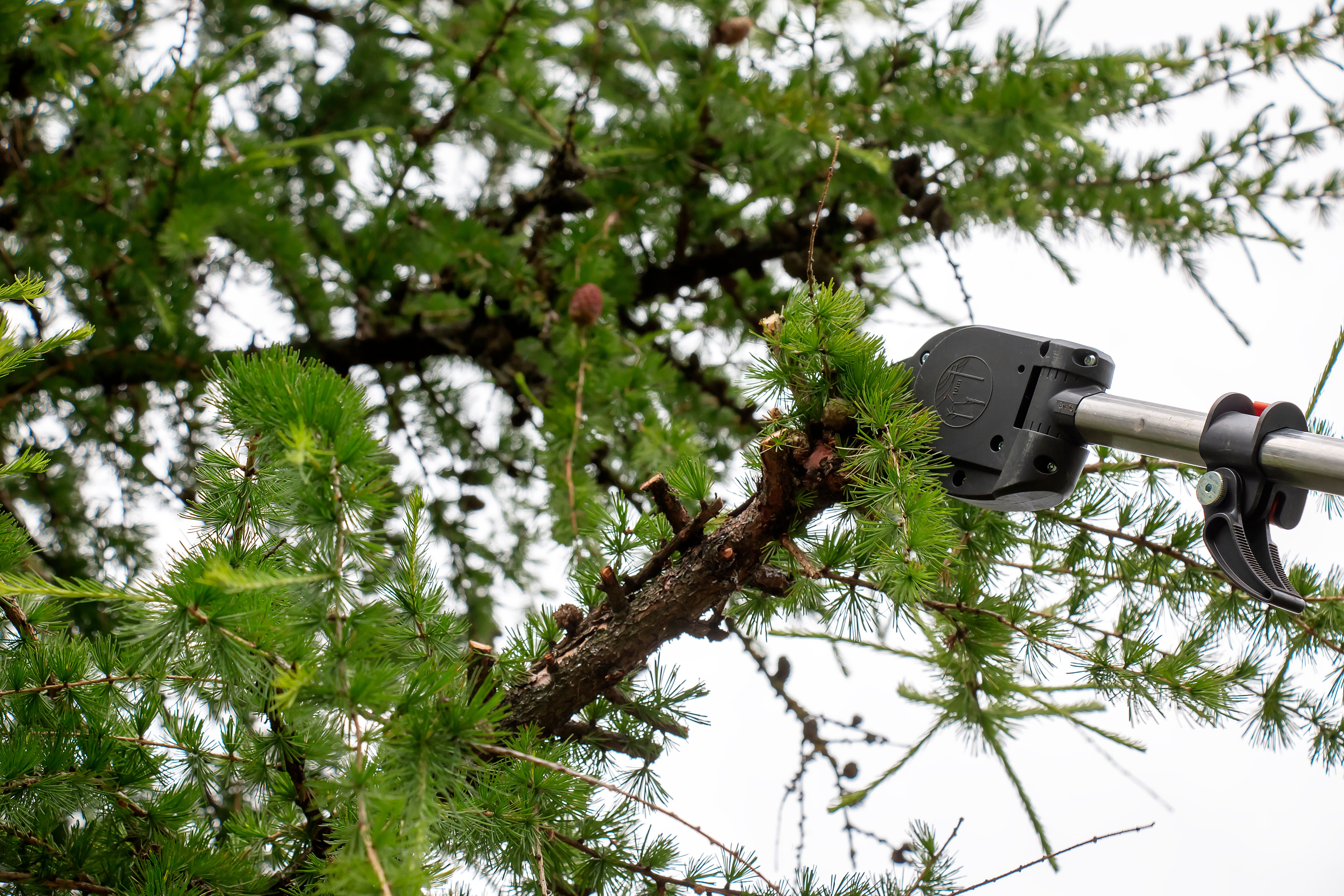
Pruning is not just about cutting branches; it's about making strategic cuts that will benefit the tree in the long run. The right tools and techniques are essential to ensure a successful pruning project.
Choosing the Right Tools
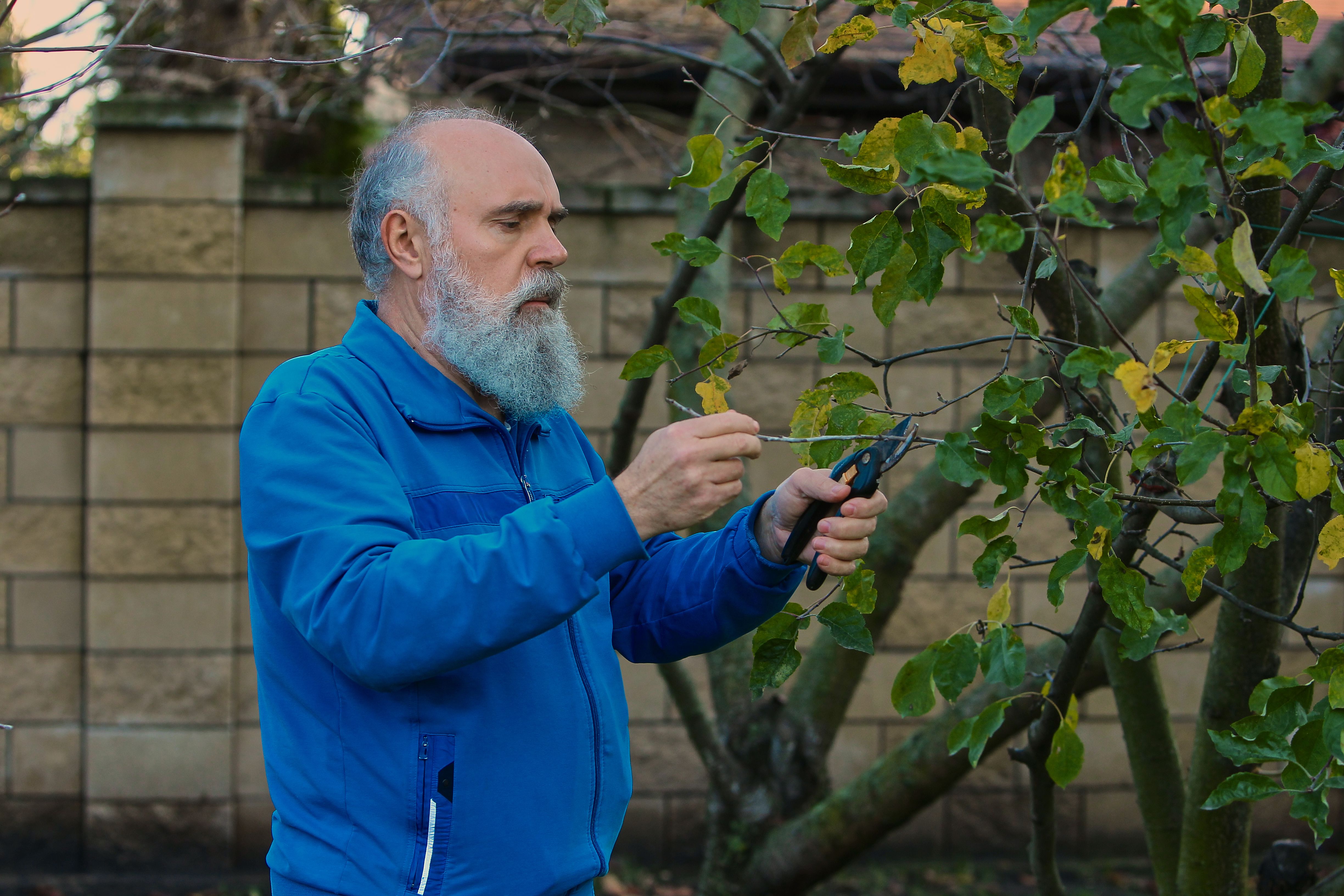
Having the proper tools is vital for effective tree pruning. Basic tools include pruning shears, loppers, and a pruning saw. Each tool serves a specific purpose, and using the right one for each task can make the job easier and safer.
- Pruning Shears: Ideal for small branches and twigs.
- Loppers: Perfect for medium-sized branches.
- Pruning Saw: Best for larger branches and thicker limbs.
When to Prune Your Trees
Timing is everything when it comes to tree pruning. Most trees benefit from pruning during their dormant season, typically in late winter or early spring. Pruning during dormancy reduces stress on the tree and minimizes the risk of disease.
However, some flowering trees may require pruning right after they bloom to encourage more flowers the following year. Understanding the specific needs of your tree species is crucial for optimal results.
Pruning Techniques for Healthy Trees
Different pruning techniques serve different purposes. Thinning, raising, and reducing are common methods used to shape trees, remove dead wood, and promote healthy growth. Each technique has its unique approach and benefits.
Thinning: This involves removing entire branches to improve light penetration and air circulation. It's especially beneficial for overgrown trees.
Raising: Removing lower branches can provide clearance for pedestrians, vehicles, or views without harming the tree.
Reducing: This method involves cutting back the tree's size while maintaining its natural shape, often used for size management.
Safety Tips for DIY Pruning
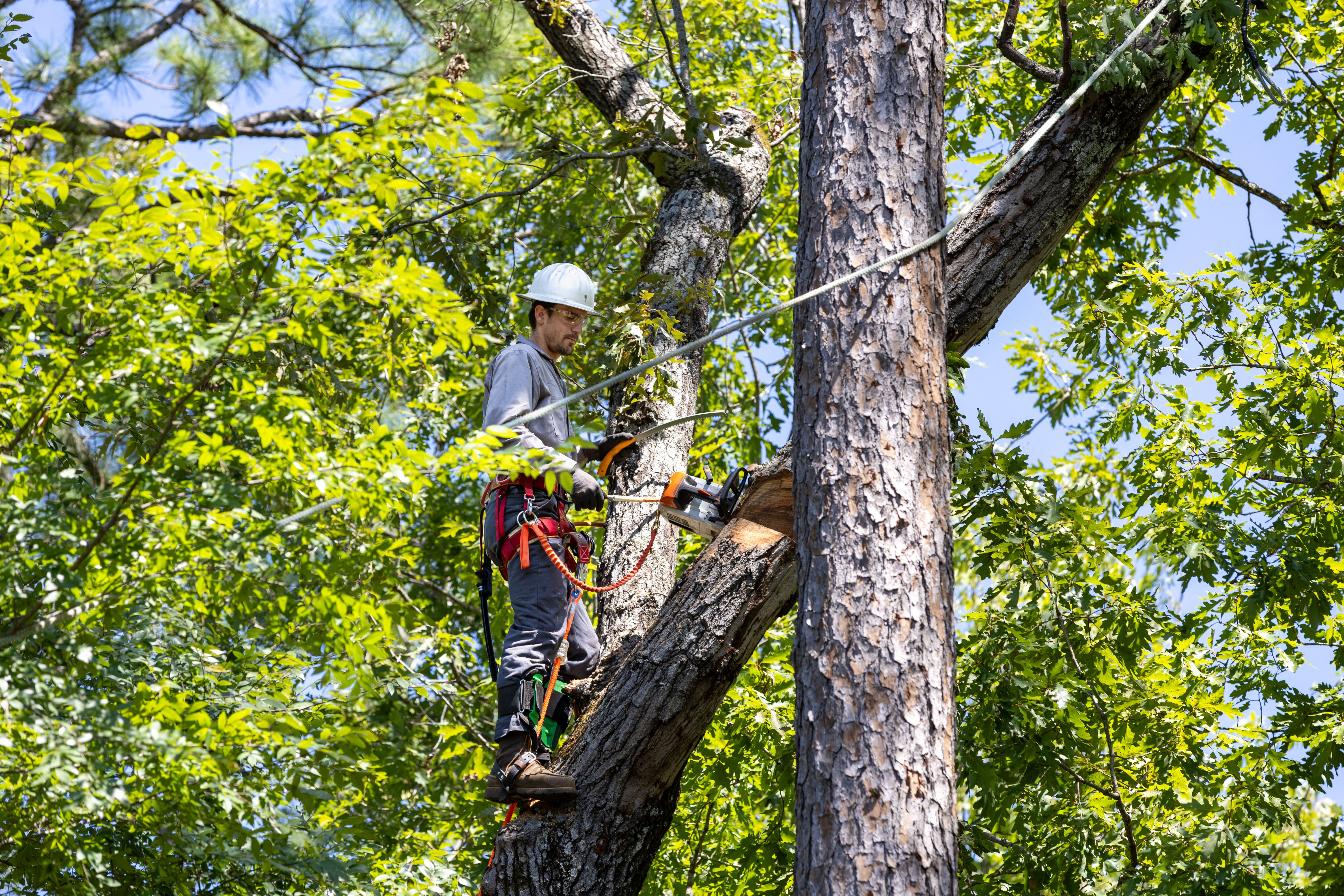
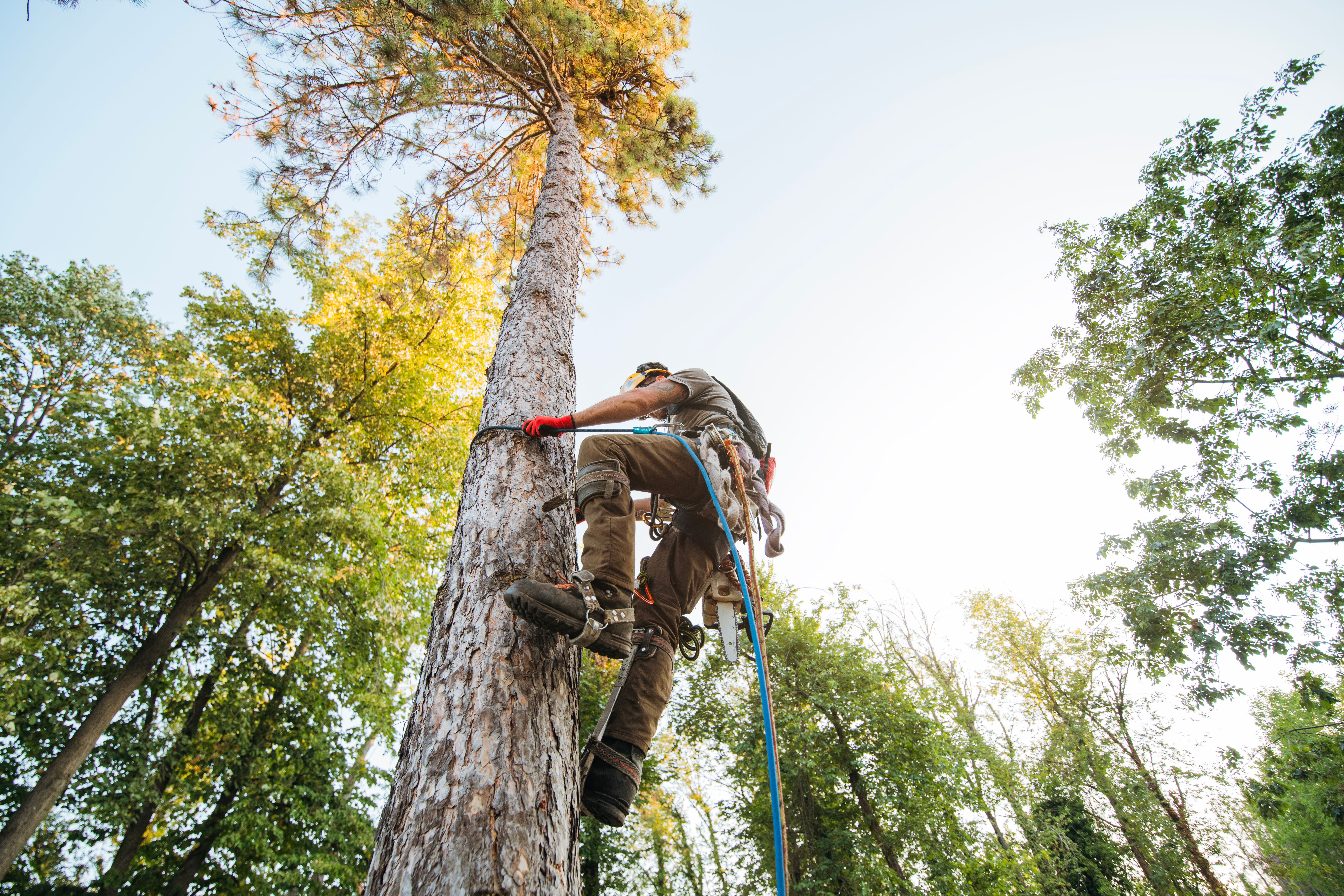
Safety should be your top priority when pruning trees. Always wear protective gear such as gloves, goggles, and a hard hat. Ensure your equipment is in good condition, and never attempt to prune trees near power lines or large branches that require professional assistance.
- Inspect your tools before use.
- Maintain a stable footing and use ladders with caution.
- Avoid pruning in adverse weather conditions.
Aftercare for Pruned Trees
Once you've completed your pruning, providing proper aftercare is essential. Water the tree adequately and monitor it for any signs of stress or disease. Mulching around the base can help retain moisture and protect the roots.
Regularly check the tree's growth and be prepared to make additional cuts if necessary. Proper aftercare ensures that your tree remains healthy and vibrant for years to come.