How to Prepare Your Trees for Winter in Dunfermline
Understanding Tree Needs in Winter
As winter approaches in Dunfermline, it's crucial to prepare your trees for the cold months ahead. Trees, like any other living organisms, need special care to ensure they survive and thrive through harsh weather conditions. Understanding their specific needs can make a significant difference in their health come spring.
Winter can be tough on trees, with challenges such as freezing temperatures, heavy snow, and ice. These conditions can cause physical damage and stress to trees, affecting their growth and overall health. Taking proactive steps can help mitigate these risks.

Inspecting Your Trees
Identify Potential Hazards
Before winter sets in, thoroughly inspect your trees for any potential hazards. Look for dead branches, weak limbs, or signs of disease. These can pose significant risks during winter storms and high winds. Pruning these parts can prevent breakage and damage to property or people.
Check for Structural Integrity
Assess the structural integrity of your trees. Trees with split trunks or deep cracks may need professional attention. Consulting with a certified arborist can provide insights into whether certain trees need additional support, such as cabling or bracing.

Pruning and Mulching
Pruning Techniques
Proper pruning is essential for preparing your trees for winter. Remove any dead or diseased branches to prevent them from falling under the weight of snow. Late autumn is the ideal time for pruning, as trees are entering dormancy, reducing the risk of stress.
Applying Mulch
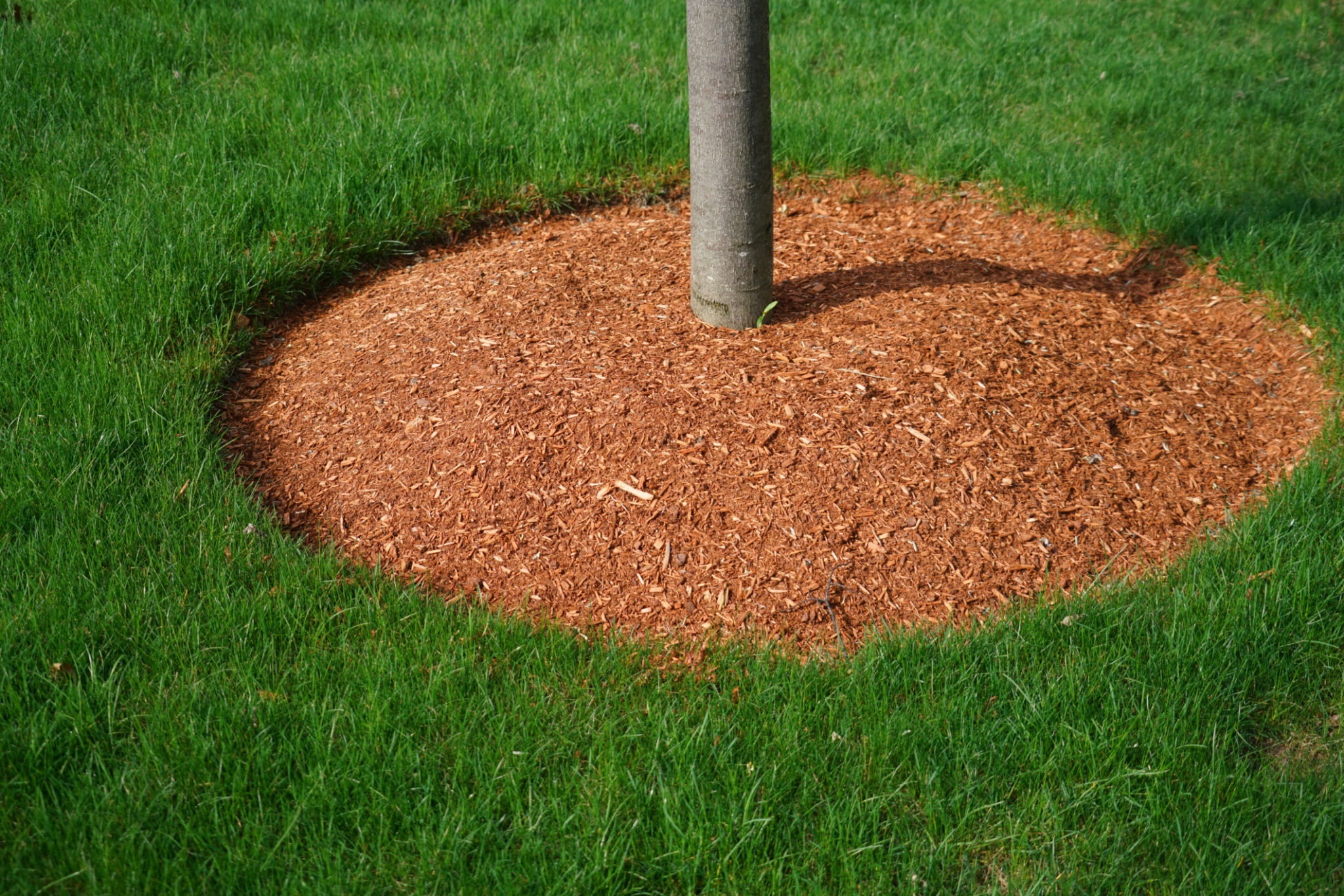
Applying a layer of mulch around the base of your trees provides insulation against extreme cold. Mulch helps retain soil moisture and prevents temperature fluctuations that can harm roots. Use organic mulch such as wood chips or bark, and apply it evenly, keeping it a few inches away from the trunk.
Watering and Fertilizing
Proper Watering Practices
Even in winter, trees need water, especially if the autumn season was dry. Water your trees deeply before the ground freezes to ensure they are well-hydrated. This helps them withstand winter drought and prepares them for spring growth.
Fertilization Considerations
Fertilizing your trees in late autumn can provide essential nutrients that promote root growth during dormancy. Use a slow-release fertilizer to maintain a steady supply of nutrients throughout the winter months. However, avoid over-fertilizing, as this can lead to root burn.
Protecting Young Trees
Young and newly planted trees are particularly vulnerable to winter conditions. Consider wrapping them with burlap or tree guards to protect against frost and wind damage. This protective layer acts as a barrier, keeping the tree's bark safe from harsh elements.

Monitoring and Maintenance
Throughout the winter, regularly monitor your trees for signs of stress or damage. Heavy snow accumulation can be gently removed from branches to prevent breakage. If you notice any issues, consulting with a tree care professional can help address concerns promptly.
By investing time and effort into preparing your trees for winter, you not only enhance their survival but also ensure they come back healthier and more vibrant in the spring. Your trees are an essential part of Dunfermline's natural beauty, and caring for them contributes to a thriving environment.