The Impact of Dunfermline's Weather on Tree Health
Understanding Dunfermline's Climate
Dunfermline, located in Fife, Scotland, experiences a maritime climate characterized by mild temperatures and consistent rainfall throughout the year. These weather conditions significantly impact local tree health, influencing growth patterns, susceptibility to diseases, and overall vitality. Understanding these effects can help in managing and promoting healthier urban forests.
The region's moderate temperatures typically prevent extreme stress on trees, allowing for a relatively stable growing season. However, consistent rainfall can have both positive and negative implications for tree health. While it ensures that trees are rarely water-stressed, it also creates conditions conducive to fungal growth and root rot.
Effects of Rainfall on Tree Health
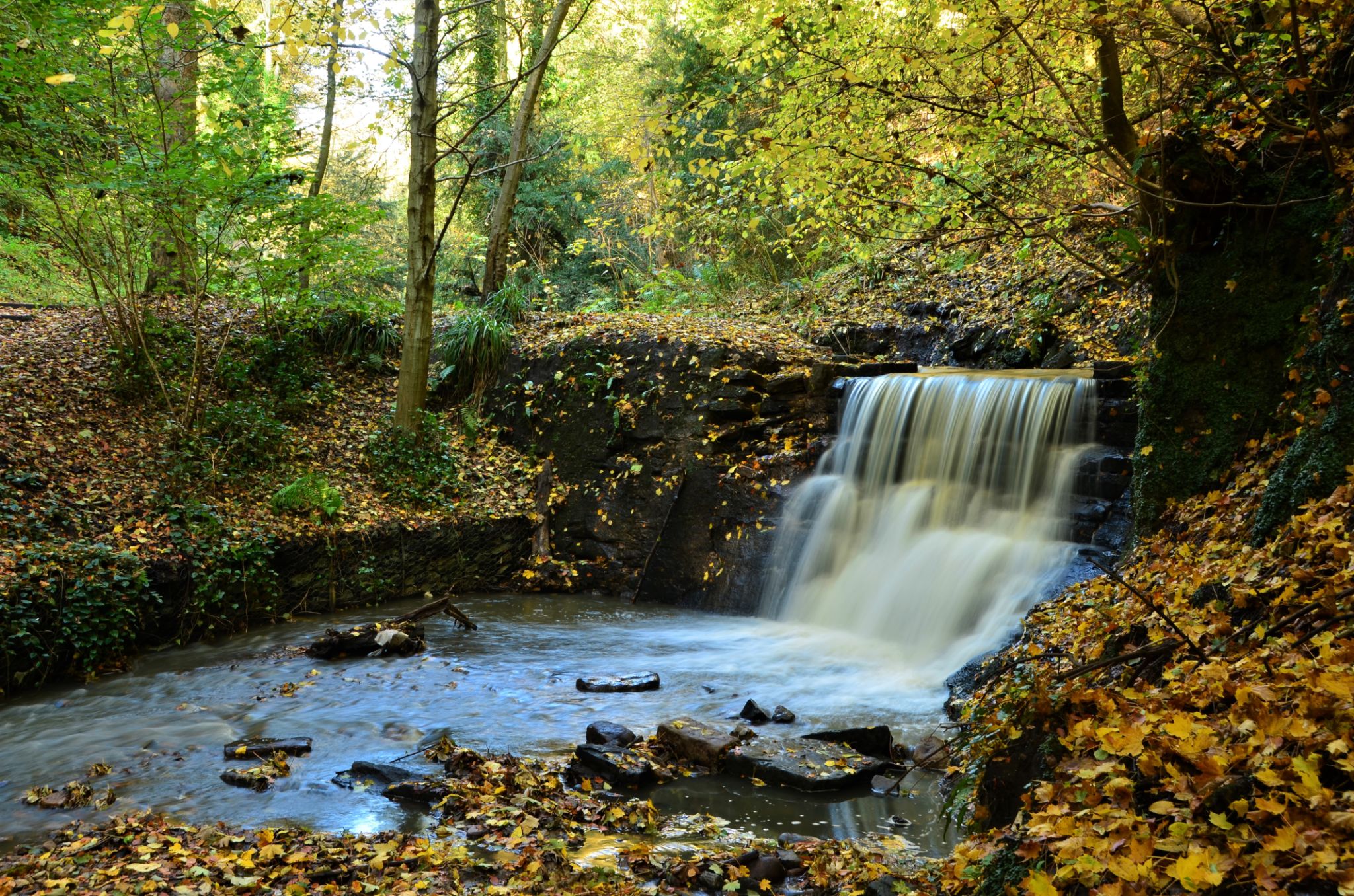
Rainfall in Dunfermline is a double-edged sword. On one hand, it provides the necessary moisture for tree growth, supporting lush canopies and vibrant foliage. On the other hand, excessive moisture can lead to waterlogged soils, which may suffocate roots and hinder their ability to absorb essential nutrients.
Fungal diseases thrive in these damp conditions, posing a significant threat to tree health. Common issues include root rot and leaf spot diseases, which can weaken trees and make them more susceptible to other stresses.
Temperature Fluctuations and Tree Growth
Though Dunfermline's temperatures are generally mild, seasonal fluctuations can still pose challenges. Cold snaps in spring can damage young buds, while mild winters may disrupt dormancy periods, leading to premature budding and potential frost damage.

These temperature variations can also affect pest populations, with some insects becoming more active in warmer conditions, potentially increasing the stress on local trees.
Wind and Its Impact on Trees
Wind is another climatic factor that influences tree health in Dunfermline. Strong winds can cause physical damage, breaking branches and uprooting trees. Additionally, wind exposure can lead to increased transpiration rates, potentially drying out foliage and stressing trees, especially during dry spells.
Strategic planting and the use of windbreaks can mitigate these effects, protecting vulnerable trees and promoting a healthier urban forest.

Strategies for Enhancing Tree Health
To counteract the adverse effects of Dunfermline's weather, several strategies can be implemented. These include selecting tree species that are well-suited to local conditions, improving soil drainage to prevent waterlogging, and implementing regular health assessments to identify and address potential issues early.
- Choose disease-resistant tree species.
- Improve soil aeration and drainage.
- Conduct regular tree health inspections.
By understanding and addressing the unique challenges posed by Dunfermline's climate, we can foster healthier, more resilient urban forests that enhance the environment and community well-being.