
Top 5 Tree Pruning Techniques for Healthier Trees
jl
Trees are a vital part of our environment, providing shade, beauty, and clean air. To keep them healthy and thriving, regular pruning is essential. Pruning helps maintain tree structure, improves health, and enhances the aesthetic appeal of your landscape.
Understanding Tree Pruning
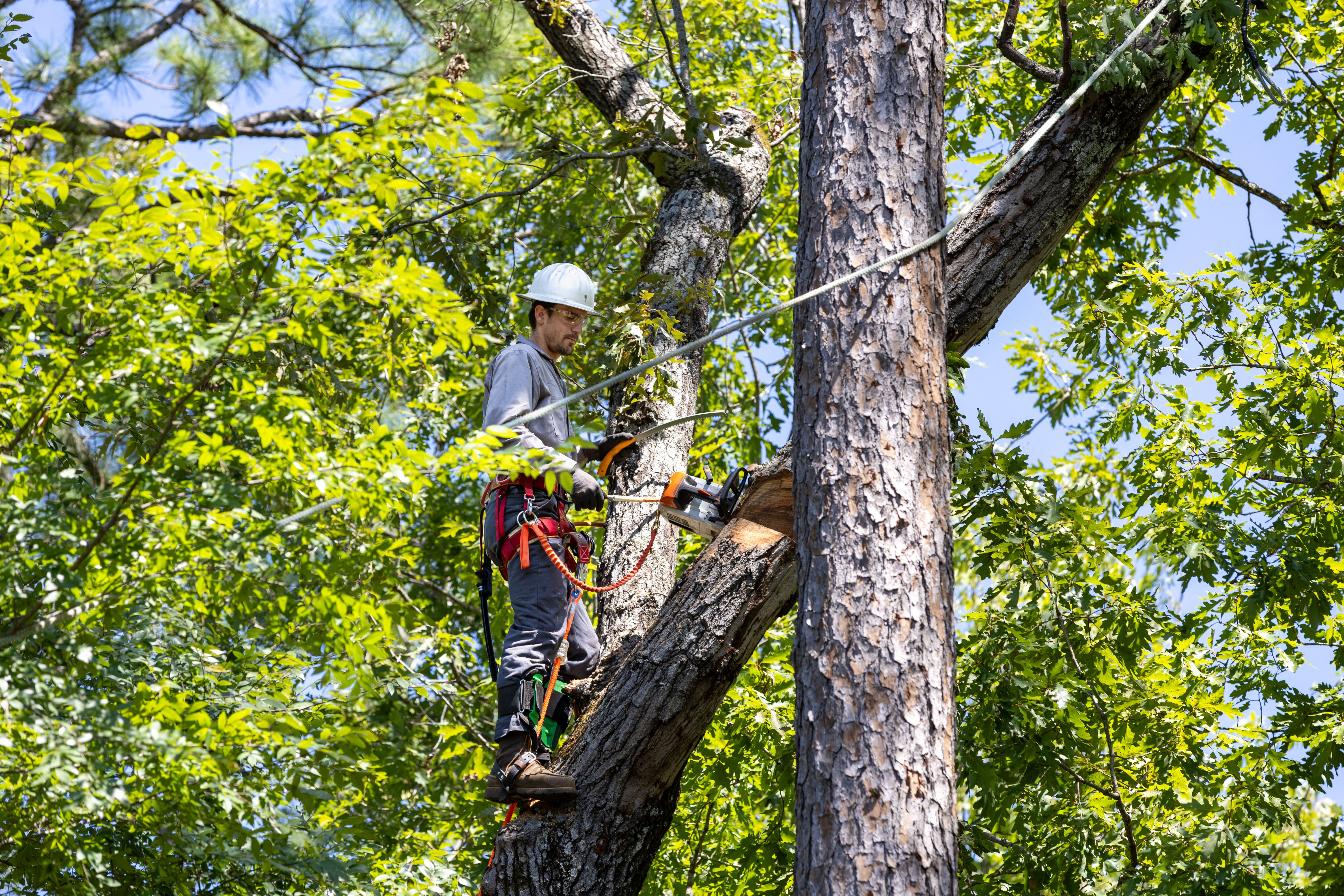
Pruning is the practice of selectively removing branches from a tree. It helps in managing the tree's growth and can prevent potential hazards. Proper pruning requires an understanding of tree biology, as improper techniques can cause lasting damage or even kill the tree.
Why Prune Trees?
Pruning is not just about aesthetics. It promotes healthy growth, prevents disease, and removes dead or hazardous branches. Regular pruning can increase a tree’s lifespan and enhance fruit and flower production for certain species.
Top 5 Tree Pruning Techniques
1. Crown Thinning
Crown thinning involves selectively removing branches to increase light penetration and air circulation throughout the crown of a tree. This technique helps reduce weight on heavy limbs and is beneficial for maintaining a tree's natural shape.
2. Crown Raising
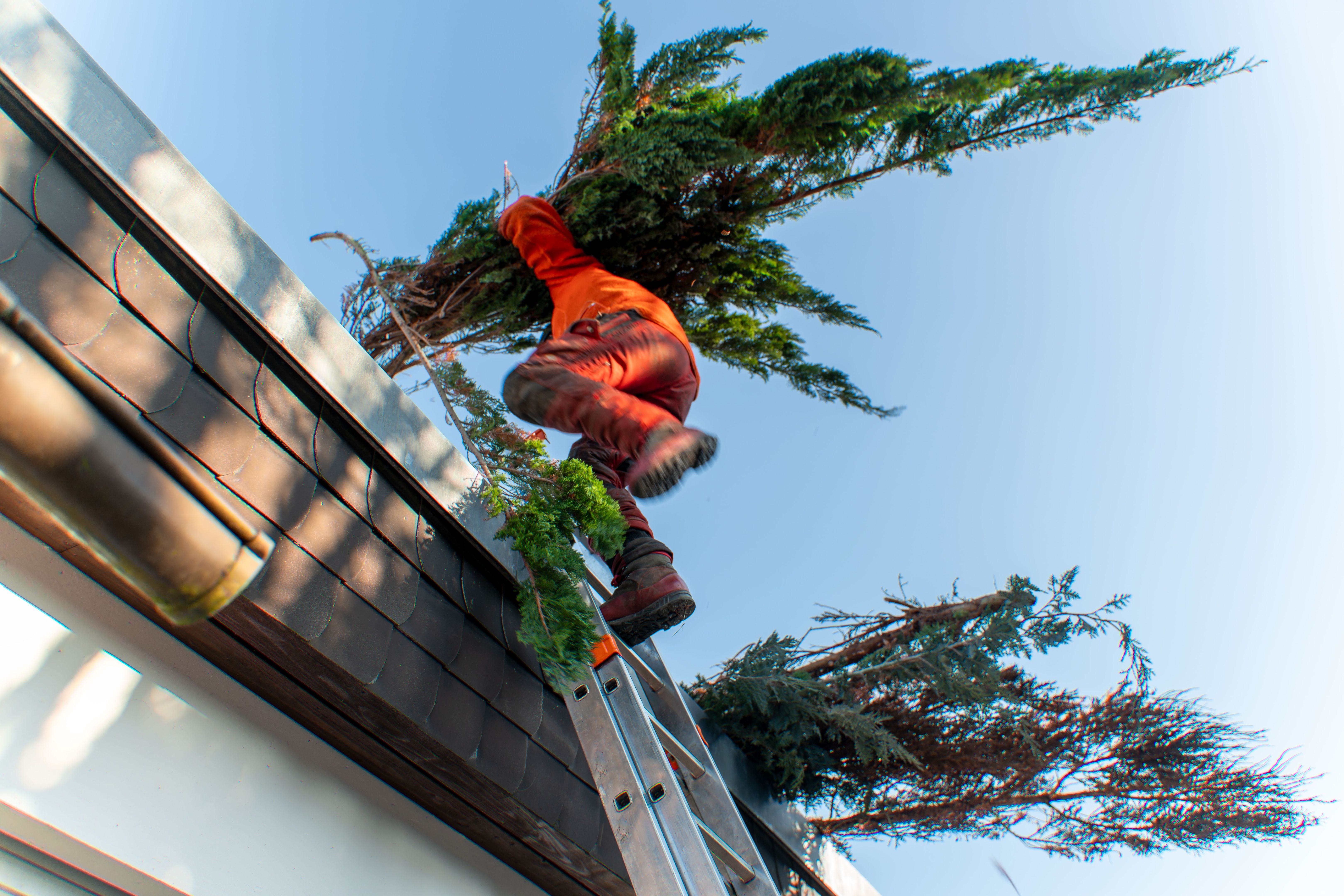
This technique focuses on removing the lower branches of a tree. Crown raising is often used to clear space for pedestrians, vehicles, or buildings. It also enhances the appearance of a tree by creating a more defined structure.
3. Crown Reduction
Crown reduction decreases the overall size of the tree. This is usually done to prevent trees from interfering with power lines or other structures. It's important to prune back to a lateral branch that is large enough to assume the terminal role.
4. Deadwooding
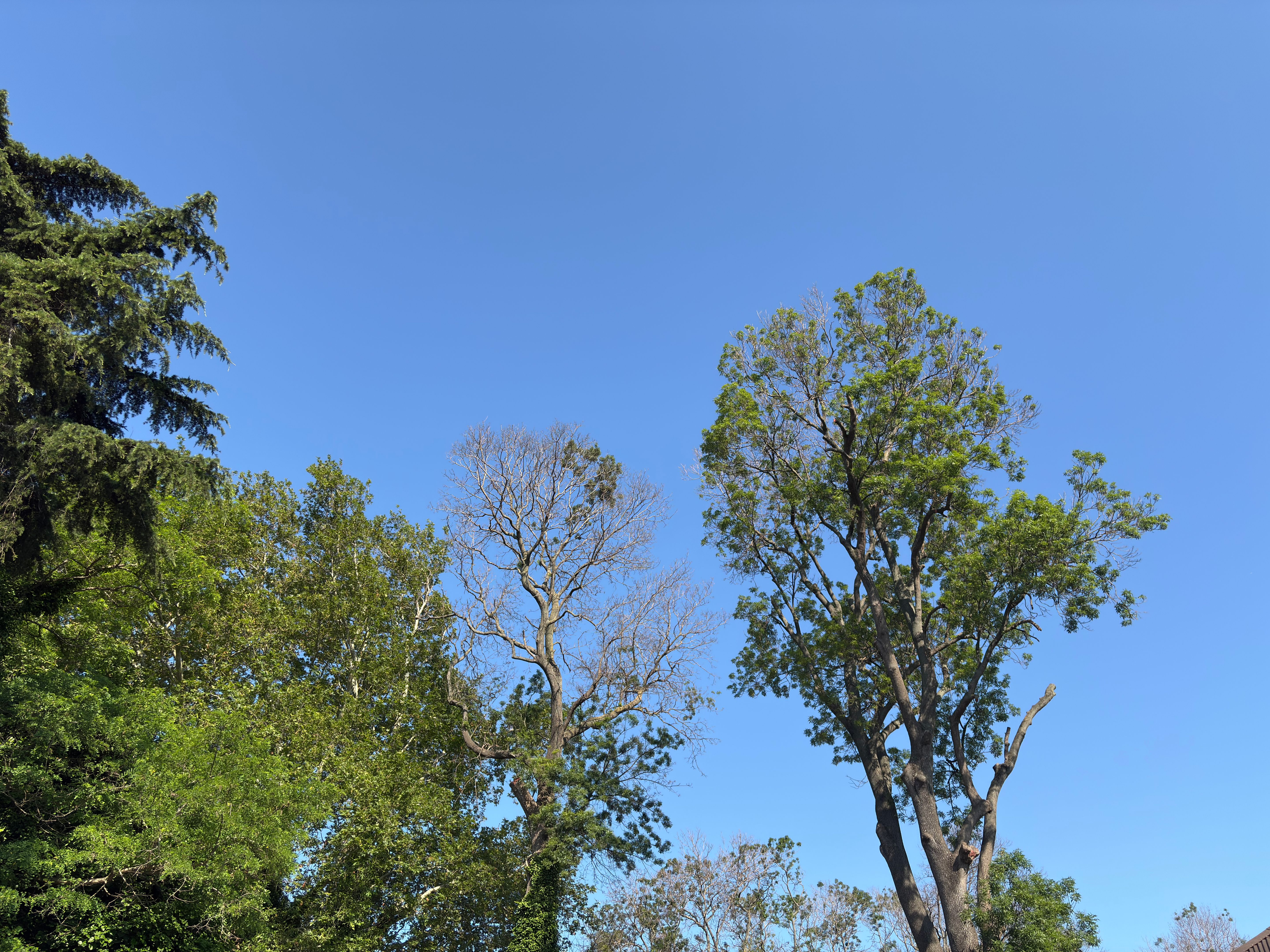
Deadwooding is the process of removing dead, dying, or diseased branches. This technique is crucial for preventing decay organisms from entering the tree and helps in maintaining safety by reducing the risk of falling branches.
5. Pollarding
Pollarding involves cutting back a tree to promote a dense head of foliage and branches. While this technique can enhance a tree's visual appeal, it requires regular maintenance and is best suited for certain species like willows.
Conclusion
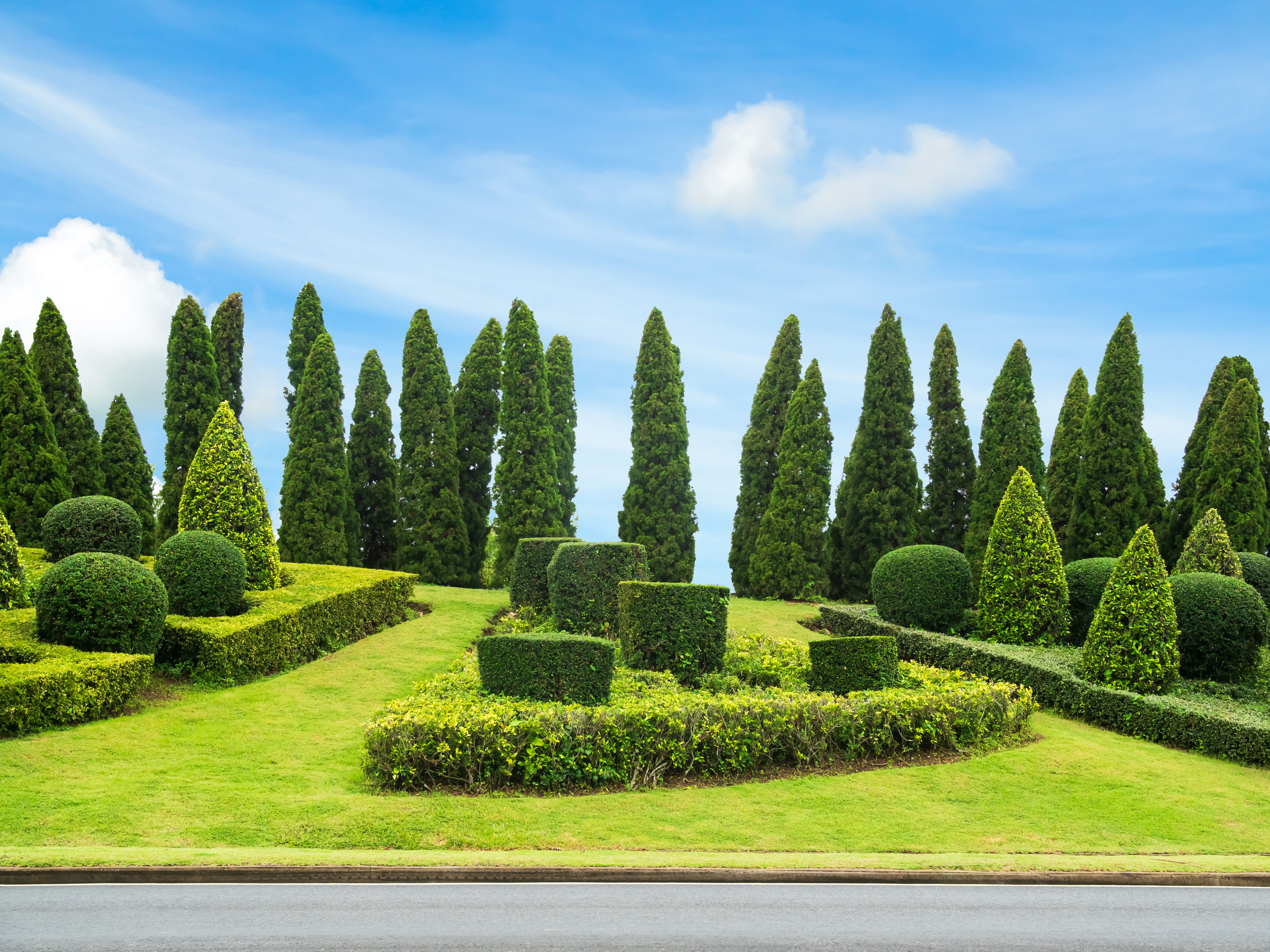
Regular tree pruning is essential for maintaining the health and beauty of your trees. Each technique serves a specific purpose and should be applied according to the tree's needs and the surrounding environment. By understanding and implementing these techniques, you can ensure your trees remain robust and vibrant for years to come.