
Understanding Tree Bracing: A Guide for Homeowners
jl
What is Tree Bracing?
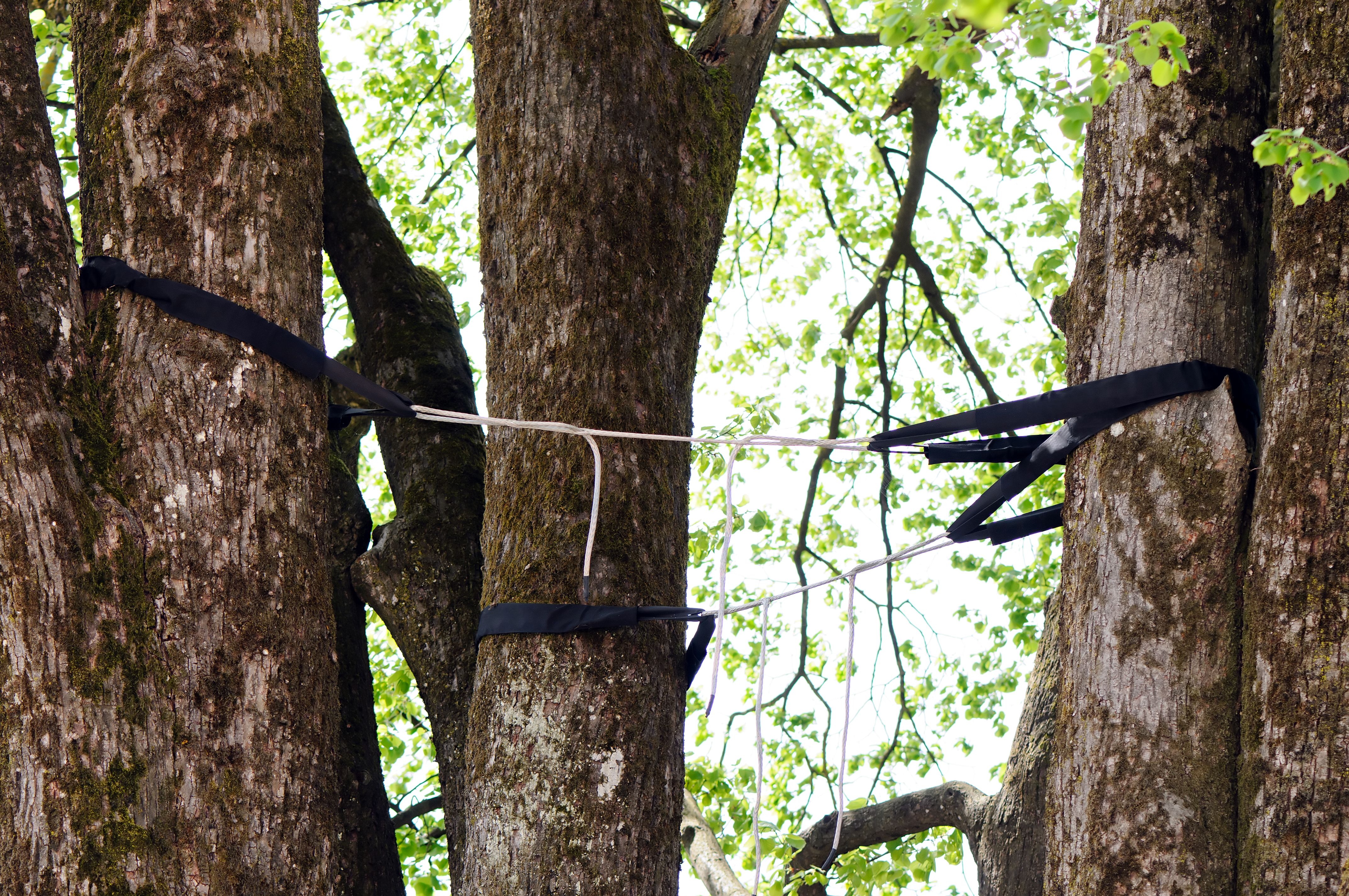
Tree bracing is a technique used to support trees that are weak or structurally compromised. It involves the installation of rods or cables to provide additional stability. This process is crucial for homeowners who want to ensure the safety and longevity of their trees.
By bracing a tree, you can prevent potential hazards, such as falling branches or even the tree toppling over during a storm. This method is often used in conjunction with other tree care practices to maintain the health and structural integrity of your trees.
When to Consider Tree Bracing
Not all trees require bracing. It's typically necessary for trees with multiple trunks or those that have been damaged due to severe weather conditions. Trees that show signs of splitting or have a history of falling branches are also candidates for bracing.
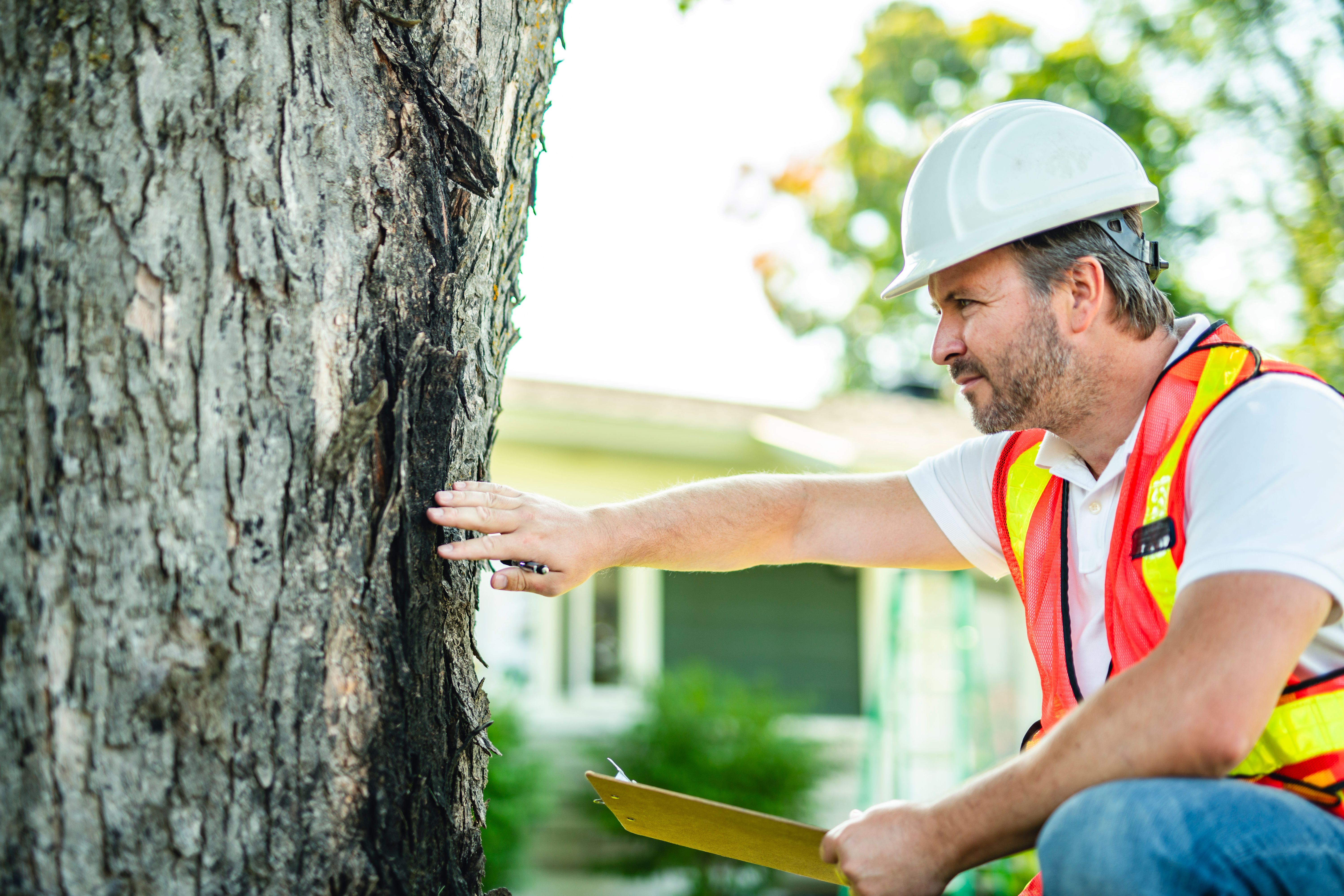
Homeowners should regularly inspect their trees for signs of weakness. Look for cracks in the trunk, leaning, or any other unusual growth patterns. If you notice any of these signs, consider consulting a professional arborist to assess whether tree bracing is needed.
Types of Tree Bracing Systems
There are several types of tree bracing systems available, each designed for different situations. The most common types include:
- Cable Bracing: Used to support the upper canopy by connecting branches with flexible steel cables.
- Rod Bracing: Involves installing threaded steel rods through weak or split branches to provide internal support.
- Dynamic Bracing: A more flexible system that allows for natural movement, ideal for trees in windy areas.
Benefits of Tree Bracing
Tree bracing offers several advantages beyond simply preventing accidents. It can extend the life of your trees by reducing stress on weakened areas. This practice can also preserve the aesthetic value of your landscape, as it helps maintain the natural shape of the tree.
Moreover, by investing in tree bracing, homeowners can avoid the potential costs and damage associated with falling trees or branches. It's a proactive measure that enhances both safety and beauty in your garden.
Hiring a Professional Arborist
While some homeowners may be tempted to undertake tree bracing on their own, it's generally recommended to hire a professional arborist. Arborists have the expertise to evaluate tree health and determine the best bracing method for each specific situation.
An arborist will ensure the correct installation of braces, which is critical for the safety and effectiveness of the system. They can also provide ongoing maintenance and monitoring to keep your trees in optimal condition.
Conclusion
Understanding tree bracing is essential for homeowners who want to protect their property and preserve the natural beauty of their landscape. By recognizing when and how to apply this technique, you can ensure the health and safety of your trees for years to come.
If you're unsure whether your trees need bracing, don't hesitate to reach out to a professional. Properly cared-for trees not only enhance your home's curb appeal but also contribute to a safer and more enjoyable outdoor environment.