Understanding Tree Diseases in Argyll and Bute
jl
Introduction to Tree Diseases in Argyll and Bute
Argyll and Bute, known for its breathtaking landscapes and verdant forests, is home to a diverse range of tree species. However, like many regions, it faces the challenge of tree diseases that threaten this natural beauty. Understanding these diseases is crucial for conservation and management efforts.
Common Tree Diseases
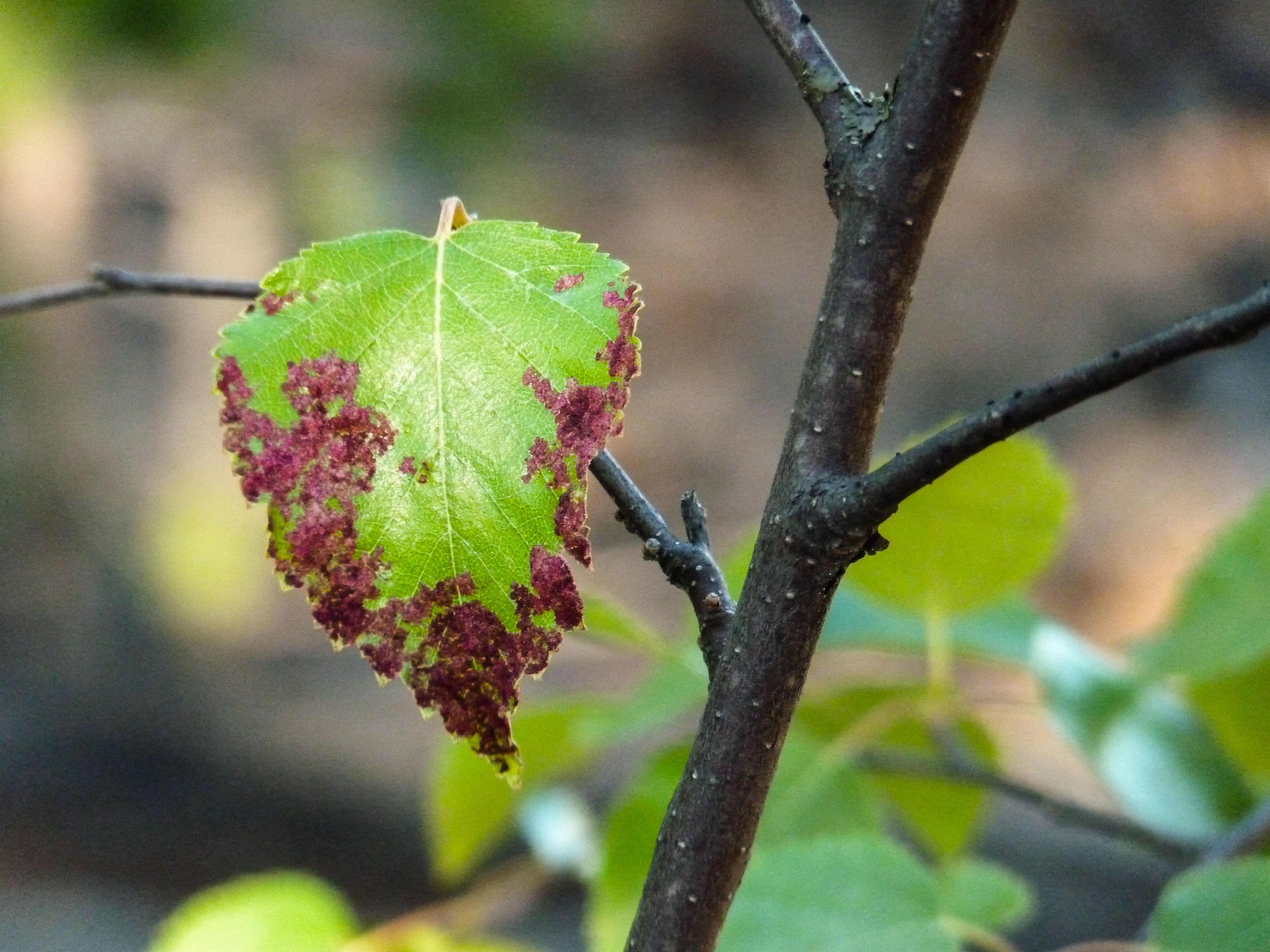
In Argyll and Bute, several tree diseases are prevalent, impacting both native and non-native species. Among the most common are:
- Phytophthora ramorum: This pathogen affects many trees, notably larch, causing significant dieback.
- Honey Fungus (Armillaria): A group of fungi that attack the roots, leading to tree decay and death.
- Dutch Elm Disease: A notorious disease caused by a fungus spread by bark beetles, devastating elm populations.
Identifying Tree Diseases
Early identification of tree diseases is vital for effective management. Symptoms vary but commonly include:
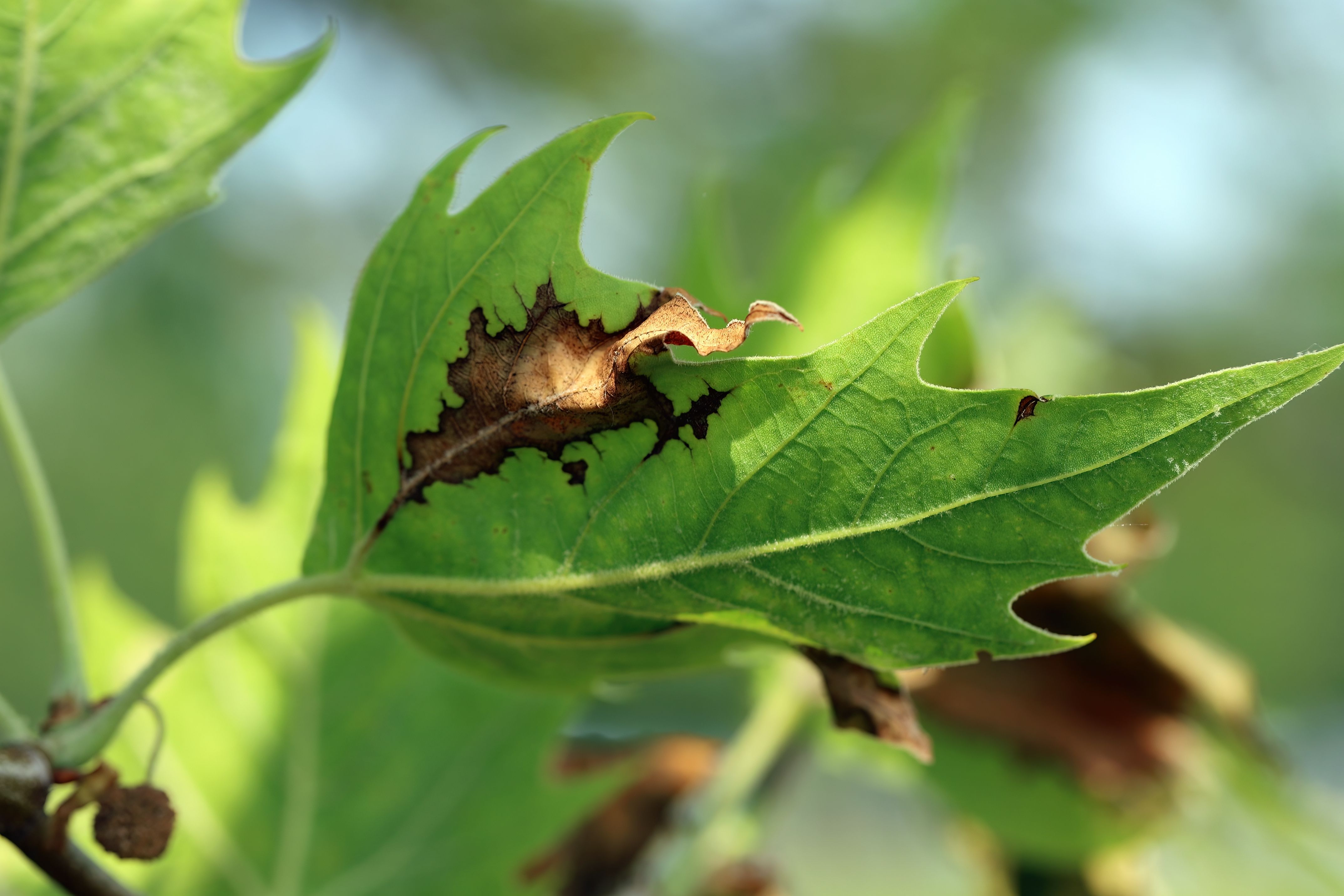
- Leaf discoloration and premature leaf drop.
- Cankers or lesions on the bark.
- Unusual growth patterns or stunted growth.
- Presence of mushrooms or fungi at the base of the tree.
Impact on Ecosystems
Tree diseases can have a profound impact on local ecosystems. They not only threaten individual tree health but also disrupt habitat for wildlife. The loss of trees affects biodiversity, water regulation, and soil stability, leading to broader environmental challenges.
For example, the spread of Phytophthora ramorum in larch forests can lead to a cascade of ecological consequences, reducing habitat for birds and insects and altering the forest structure.
Prevention and Management
Managing tree diseases in Argyll and Bute requires a combination of proactive and reactive strategies. Key approaches include:
- Monitoring: Regular surveys and monitoring to detect early signs of diseases.
- Sanitation: Removing infected trees and debris to prevent the spread of pathogens.
- Public Awareness: Educating the community about tree health to encourage reporting and protective measures.
- Diversification: Planting a variety of species to reduce the risk of disease spread.

The Role of Technology
Technology plays a crucial role in combating tree diseases. Remote sensing and drone technology allow for aerial surveys, providing detailed data on tree health over large areas. This technological advancement helps in the efficient allocation of resources for disease management.
Additionally, GIS mapping tools are used to track the spread of diseases, enabling targeted interventions and better planning.
Community Involvement
Community involvement is essential in managing tree diseases. Local residents can assist by reporting signs of disease and participating in tree planting and maintenance activities. Engaging the community fosters a sense of stewardship and collective responsibility for preserving the region's natural heritage.
Educational programs and workshops can further empower residents, equipping them with the knowledge to act as guardians of their local environment.
Conclusion
Understanding and addressing tree diseases in Argyll and Bute is vital for maintaining its stunning landscapes and rich biodiversity. Through a combination of scientific approaches, technological innovation, and community engagement, we can protect these precious ecosystems for future generations.